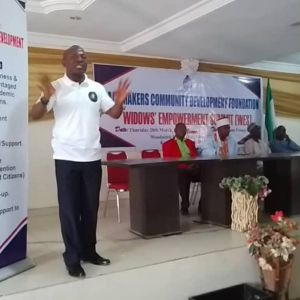
Widows often face a unique set of challenges emotional, social, and financial. In many communities, they struggle with loss, limited resources, and societal pressures, making it difficult to rebuild their lives. Supporting widows is not only a compassionate act but also a step toward creating stronger, more resilient communities.
At Peacemakers Community Development Foundation (PCDF), we are committed to providing practical, emotional, and social support to widows, empowering them to regain stability and confidence.
1. Understanding the Challenges Widows Face
Losing a spouse is a life-altering event. Widows frequently encounter:
-
Emotional trauma and grief
-
Financial instability due to loss of household income
-
Social exclusion or stigmatization
-
Limited access to skills or educational opportunities
These challenges can prevent widows from achieving independence and personal growth.
2. Financial Support Programs
Providing financial assistance helps widows cover basic needs and regain stability. Programs include:
-
Small grants or cash support for daily living
-
Assistance with rent, utilities, or education fees for children
-
Microfinance or small business start-up support
Such support allows widows to provide for themselves and their families while pursuing economic independence.
3. Skills Development and Empowerment
Economic empowerment is essential for widows to rebuild their lives. Programs that focus on skills training, vocational courses, and entrepreneurship help widows:
-
Learn trades or business skills
-
Start small businesses or income-generating activities
-
Gain confidence in financial decision-making
-
Achieve long-term self-sufficiency
Empowered widows can support their families and contribute meaningfully to their communities.
4. Emotional and Social Support
Grief and loss can have lasting effects on mental health. Community programs help widows cope through:
-
Counseling sessions and therapy
-
Support groups for sharing experiences
-
Community events that foster connection and belonging
Emotional support restores hope and resilience, helping widows navigate their new circumstances.
5. Advocating for Widows' Rights
In many areas, widows face legal and social barriers that limit their access to property, inheritance, or social benefits. Advocacy programs aim to:
-
Educate widows about their legal rights
-
Offer guidance on accessing community resources
-
Promote societal awareness and inclusion
-
Work with policymakers to remove systemic barriers
Ensuring widows are treated fairly strengthens the social fabric of the community.
6. How You Can Make a Difference
Everyone can contribute to supporting widows in meaningful ways:
-
Donate: Provide financial aid, food, or essential items
-
Volunteer: Offer mentorship, training, or counseling
-
Raise Awareness: Share stories and educate communities about widows' needs
-
Organize Community Programs: Help create spaces where widows can connect, learn, and grow
Your efforts provide hope and create tangible change in the lives of widows and their families.
Conclusion: Uplifting Widows Builds Stronger Communities
Supporting widows is not just about meeting immediate needs it's about restoring dignity, empowering independence, and fostering long-term resilience. By combining financial, emotional, and social support, we can help widows overcome challenges and thrive.
When we uplift widows, we strengthen families, empower communities, and create a society built on compassion and equality.