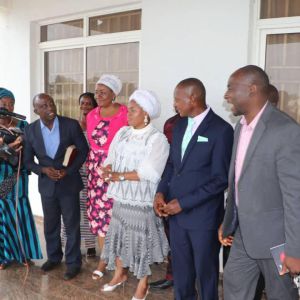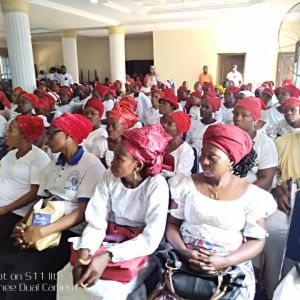
Access to quality healthcare remains a major challenge in underserved communities. For many families, regular medical check-ups are a luxury, often sidelined due to financial constraints, limited awareness, or distance from healthcare facilities. Free medical check-up programs play a critical role in addressing these barriers, ensuring that communities stay healthy, informed, and empowered.
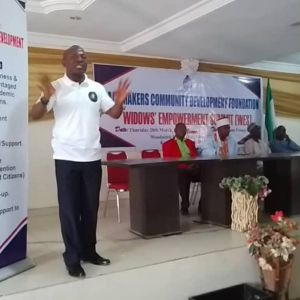
In this article, we explore why free medical check-ups are essential, how they improve community well-being, and why organizations like Peacemakers Community Development Foundation (PCDF) prioritize them.
1. Early Detection Saves Lives
Regular medical check-ups are vital for identifying health issues before they become serious. Many diseases, such as hypertension, diabetes, and anemia, can develop silently without noticeable symptoms.
Free medical screenings help communities:
-
Detect health conditions early
-
Reduce the risk of complications
-
Promote timely medical intervention
-
Save lives through preventive care
By identifying health risks early, families are empowered to take action and maintain better overall health.
2. Making Healthcare Accessible to All
In underserved communities, healthcare is often expensive or located far away. Free medical check-ups bring healthcare services directly to those who need them most.
Benefits include:
-
Reducing financial barriers to care
-
Providing screenings for vulnerable groups (children, elderly, women)
-
Ensuring marginalized populations receive attention
-
Encouraging families to prioritize health
Accessibility ensures that no one is left behind, fostering healthier communities overall.
3. Promoting Health Awareness and Education
Free medical check-ups are not just about screenings they are also educational opportunities.
During these programs, healthcare professionals:
-
Teach families about nutrition, hygiene, and preventive care
-
Provide guidance on managing chronic conditions
-
Raise awareness about lifestyle choices that promote wellness
-
Encourage regular medical follow-ups
Knowledge is power health education empowers individuals to make informed choices.
4. Strengthening Community Trust and Engagement
Health outreach programs strengthen the bond between communities and service providers. When people see consistent care and support, trust is built, encouraging more families to engage with healthcare services.
Through free check-ups, communities experience:
-
Increased trust in healthcare initiatives
-
Greater participation in wellness programs
-
Strengthened collaboration between local leaders, volunteers, and health professionals
This trust is essential for the long-term success of public health initiatives.
5. Supporting Vulnerable Populations
Certain groups—such as children, senior citizens, and low-income families are at higher risk of health complications. Free medical check-ups specifically target these vulnerable populations, ensuring equitable care.
This support helps:
-
Detect growth or developmental issues in children
-
Monitor chronic illnesses in the elderly
-
Provide interventions for women and widows with limited access to care
-
Reduce health disparities in the community
When the most vulnerable are cared for, entire communities thrive.
6. Encouraging Preventive Health Practices
Free medical screenings foster a culture of prevention rather than reaction. Families learn the importance of regular check-ups, vaccinations, and lifestyle adjustments, which reduces long-term healthcare costs and improves quality of life.
Preventive health measures include:
-
Routine blood pressure and glucose checks
-
Nutritional counseling
-
Early detection of infections and anemia
-
Guidance on safe hygiene practices
By making prevention a priority, communities become healthier and more resilient.
7. How You Can Support Free Medical Check-Up Programs
Community members, donors, and volunteers can play a vital role in sustaining these initiatives:
-
Donate resources: Medical supplies, equipment, or funds for outreach
-
Volunteer: Assist in organizing events, registering participants, or health education
-
Spread awareness: Encourage families to attend check-ups and educate them on health practices
Your involvement ensures that more families can access vital healthcare services.
Conclusion: Healthier Communities Begin With Care
Free medical check-ups are a cornerstone of community health. They save lives, empower individuals with knowledge, and create a culture of preventive care. By supporting and participating in these programs, you contribute to stronger, healthier, and more resilient communities.
Every check-up counts. Every life matters. Together, we can build healthier communities, one family at a time.