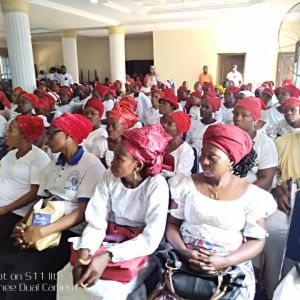
Hunger, poverty, and lack of basic necessities remain some of the most pressing challenges in underserved communities. For many families, securing daily meals, clean clothing, and essential items is a constant struggle. Food and clothing support programs play a crucial role in reducing hardship, restoring dignity, and improving quality of life. These programs not only meet urgent needs but also create long-term social and economic benefits for entire communities.
In this article, we explore how providing food, clothing, and essential resources helps vulnerable families, why these programs matter, and how organizations like ours are creating real change one family at a time.
1. Why Food and Clothing Support Programs Are Essential
Food security and basic clothing are fundamental needs that no one should live without. Unfortunately, millions of individuals—especially children, widows, women, and the elderly lack access to nutritious meals and proper clothing.
Food and clothing support programs help:
-
Reduce hunger and malnutrition
-
Improve physical and mental well-being
-
Support children's growth and school attendance
-
Restore dignity for families in crisis
-
Relieve financial burdens on low-income households
Meeting these basic needs creates stability and gives families a chance to focus on education, work, and long-term growth.
2. The Hidden Struggles Families Face Every Day
Many vulnerable families suffer in silence. Rising food prices, unemployment, health challenges, and lack of support systems make daily survival difficult. Parents are forced to choose between buying food, paying school fees, or covering medical bills.
For senior citizens, widows, and women with limited income, these challenges become even more overwhelming.
Food and clothing programs act as a lifeline especially during emergencies, seasonal changes, or periods of economic hardship.
3. How Food & Clothing Programs Improve Community Well-Being
When families receive food items, clothing, and essential supplies, the impact is immediate and transformative.
These programs:
-
Boost community health and nutrition
-
Reduce stress and anxiety associated with poverty
-
Promote school attendance by supporting children with proper clothing
-
Encourage social inclusion for vulnerable individuals
-
Strengthen community bonds through shared support
Even a single meal or clothing donation can restore confidence and hope to someone facing hardship.
4. Long-Term Benefits: More Than Just Meeting Basic Needs
Beyond immediate relief, food and clothing support programs create ripple effects that last for years. These programs help communities break cycles of poverty and build long-term stability.
Long-term benefits include:
-
Improved academic performance among children
-
Better health outcomes for families
-
Increased financial stability
-
Reduced social inequality
-
Stronger community resilience
By removing basic barriers, these programs empower people to focus on improving their lives.
5. The Role of NGOs and Volunteers in Fighting Hunger
Nonprofits, community organizations, and volunteers are essential in providing food and clothing support. Their dedication ensures that the most vulnerable individuals receive consistent, reliable assistance.
Volunteers help by:
-
Distributing meals and clothing
-
Organizing food drives
-
Identifying families in need
-
Supporting outreach programs
-
Raising awareness and encouraging donations
Without volunteers and donors, many families would remain unseen and unsupported.
6. How Your Support Makes a Difference
Every donation counts. Every contribution no matter how small creates real impact.
Your support helps:
-
Put food on a family's table
-
Provide children with clean clothing
-
Give widows and women the dignity they deserve
-
Bring comfort to senior citizens
-
Strengthen entire communities
Your generosity can change a life, restore hope, and create a path toward a brighter future.
7. How to Get Involved in Fighting Hunger
You can help fight hunger and support vulnerable families in several meaningful ways:
✔ Donate food items or clothing
Contribute rice, beans, oil, canned foods, gently-used clothes, shoes, and household items.
✔ Make a financial donation
Your monetary contributions help reach more families consistently.
✔ Organize a community collection drive
Mobilize your school, workplace, or religious organization to gather items.
✔ Volunteer your time
Assist with packing, distribution, and outreach programs.
✔ Raise awareness
Share stories, talk about hunger, and encourage others to join the cause.
Every action helps build stronger, healthier, and more resilient communities.
Conclusion: Together, We Can Reduce Hunger and Restore Hope
Fighting hunger is a collective responsibility. Food and clothing support programs do more than provide essential items they give families dignity, hope, and a chance to rebuild their lives. When we come together as volunteers, donors, and advocates, we create meaningful change that touches generations.
A single act of giving can feed a family, warm a child, and brighten someone's future.
Together, we can fight hunger and win.