Senior citizens are the pillars of our communities. They have contributed a lifetime of wisdom, labor, and guidance, yet many face challenges in retirement such as isolation, health issues, and limited access to social support. Supporting the elderly is not just a moral responsibility it strengthens communities, fosters intergenerational respect, and ensures a better quality of life for all.
In this article, we explore why senior citizen care matters, the benefits of appreciation programs, and how organizations like Peacemakers Community Development Foundation (PCDF) make a lasting impact.
1. Honoring a Lifetime of Contributions
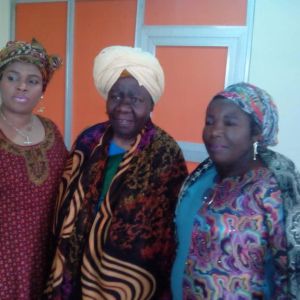
Elderly members of our community have played a vital role in shaping families, workplaces, and society at large. Recognizing their contributions is essential.
Through programs such as:
-
Appreciation events
-
Recognition ceremonies
-
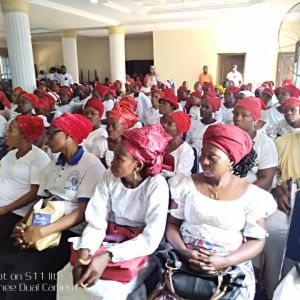
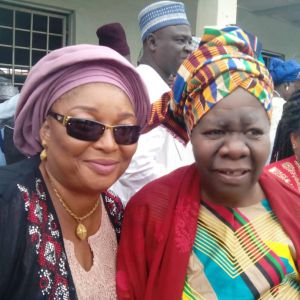
Community gatherings
We show gratitude, respect, and value for their wisdom and efforts.
2. Supporting Physical Health and Well-Being
Aging often comes with health challenges such as arthritis, high blood pressure, diabetes, or limited mobility. Senior care programs help by providing:
-
Free or subsidized medical check-ups
-
Wellness education and screenings
-
Access to medications and health advice
Promoting health ensures seniors live longer, more comfortable, and fulfilling lives.
3. Combating Social Isolation and Loneliness
Many seniors experience loneliness, especially if they live alone or have lost loved ones. Social isolation can lead to depression and other health issues.
Community programs help seniors:
-
Engage in social activities and clubs
-
Build friendships with peers and volunteers
-
Participate in skill-building workshops or storytelling sessions
Staying socially active improves mental health and overall quality of life.
4. Providing Emotional and Practical Support
Beyond social interaction, seniors often require practical assistance with daily tasks. Support programs can provide:
-
Guidance on accessing social services
-
Assistance with transportation or errands
-
Emotional counseling for grief, stress, or anxiety
Helping seniors navigate life's challenges ensures they remain independent and respected.
5. Encouraging Intergenerational Connections
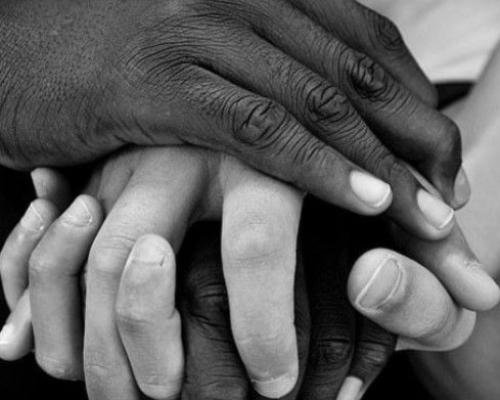
When younger members of the community engage with seniors, it fosters mutual respect, understanding, and learning.
Intergenerational programs include:
-
Mentorship programs where seniors share skills and knowledge
-
Joint community service projects
-
Storytelling and cultural preservation activities
These connections strengthen community bonds and preserve cultural heritage.
6. How You Can Support Senior Citizens
Everyone can contribute to the well-being of elderly members:
-
Volunteer: Spend time with seniors in community centers or at home visits
-
Donate: Provide essential items like food, clothing, or medical supplies
-
Organize events: Help plan appreciation days, workshops, or social gatherings
-
Raise awareness: Educate others on the needs and value of senior citizens
Your involvement makes seniors feel seen, valued, and supported.
Conclusion: Building a Community That Cares
Caring for senior citizens is a responsibility that benefits the entire community. Appreciation, health support, and social engagement create happier, healthier seniors who can continue to contribute meaningfully to society.
By supporting the elderly, we honor their legacy, strengthen community bonds, and ensure that no senior citizen is left behind.
A community that cares for its seniors is a community that thrives. Together, we can make every senior feel valued, respected, and loved.